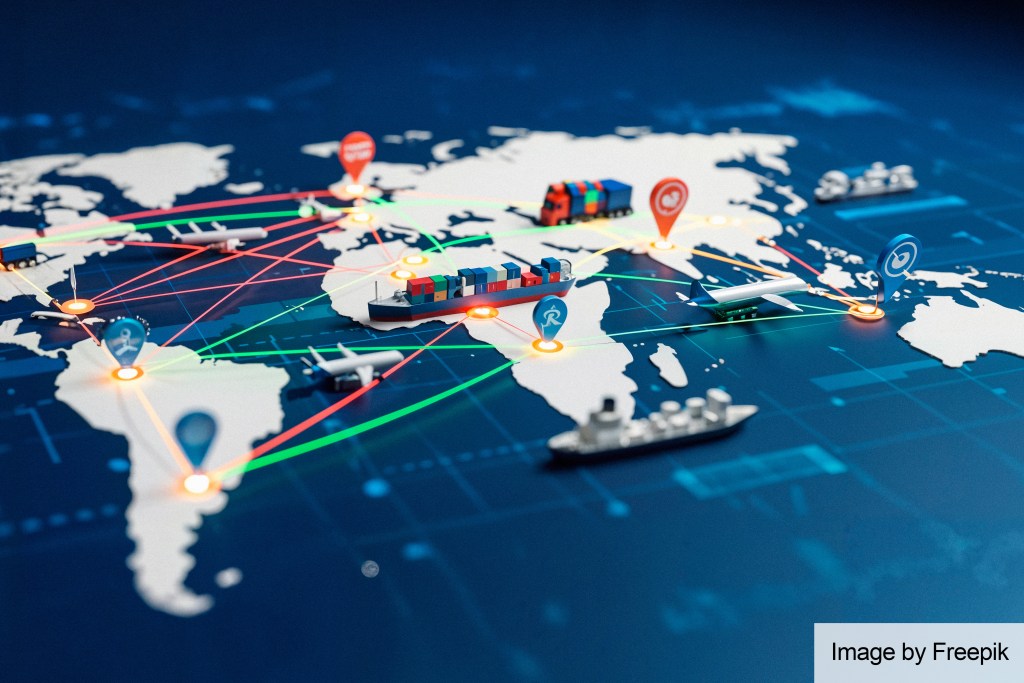
ASEAN’s exports have become more vulnerable as global protectionism rises. Using monthly trade data at the six-digit (HS-6) level, the study quantifies how these policy shifts affect regional trade. It finds that each new protectionist measure reduced ASEAN exports by about 0.4 percent, resulting in an estimated USD 9.8 billion loss between January 2020 and September 2023. The analysis also shows that behind-the-border measures, such as subsidies and state aid, had nearly three times the impact of direct import restrictions, highlighting how domestic industrial policies in major economies now weigh more heavily on ASEAN’s trade performance.
ASEAN’s manufacturing-based economies remain deeply integrated into global value chains. This openness makes them more exposed to trade policy shifts in major markets. The study finds that the impact was strongest in the Philippines, Singapore, Thailand, and Vietnam, where exports play a central role in growth. Indonesia, by contrast, was more resilient, supported by a large domestic market and a broader export structure.
Across sectors, the largest declines occurred in machinery, chemicals, metals, and textiles, which together account for about 70 percent of ASEAN’s total exports. Minerals recorded the steepest drop among all sectors. These trends show how protectionist measures weigh most heavily on the core industries driving regional trade.
The effects also changed over time. Before COVID-19, protectionist actions had limited impact. During the pandemic, every additional restriction reduced exports by about 0.27 percent, and after the pandemic, this rose to 0.34 percent. What started as short-term crisis measures has gradually become a more persistent feature of the global trade environment. Policies introduced to stabilise economies have, in some cases, turned into lasting sources of competitive pressure.
More recently, protectionist activity has picked up again in both advanced and emerging economies. Expanded tariffs, export controls, and industrial subsidies are adding new complications for ASEAN exporters. These developments risk slowing the recovery of supply chains that had just begun to stabilise after the pandemic. For ASEAN, which earlier benefited from shifts in global production networks, the tightening of trade and subsidy regimes could limit access to key markets, increase competition in sectors such as electronics, metals, and textiles, and reduce investor confidence over time.
In conclusion, the study finds that the rise of global protectionism has cost ASEAN nearly USD 10 billion in exports from 2020 to 2023. To strengthen resilience, the study suggests that ASEAN economies deepen intra-regional trade links, broaden partnerships with external markets, and pursue industrial upgrading toward digital and green sectors. These steps can help diversify export bases, enhance value creation, and maintain competitiveness in an environment where protectionism has become a persistent feature of global trade.
Researchers: BANH, Thi Hang, LU, Weilin
 ACI Perspectives