The post-pandemic era has been marked by inflationary pressures, raising the cost of living in all major cities globally. Pandemic-induced supply-chain disruptions like production delays and transportation bottlenecks, coupled with post-pandemic economic recovery, caused global inflation rates to surge. Inflation rates spiked in 2022 before increasing at a more gradual pace in 2023.
Asia-Pacific observed the same trends; however, a combination of economic factors and policy response led to heterogeneity in prices, cost of living, and purchasing power changes across major cities in the region. Tokyo experienced a significant fall in the cost of living rankings between 2018 and 2023, while Singapore, Hong Kong, and Kuala Lumpur have remained relatively stable with marginal shifts. The rapid fall in Tokyo’s rank can be attributed to the depreciating yen against the dollar. While generally, for all four cities, it is relatively cheaper for ordinary residents than for expatriates, the pandemic-induced movements in rankings are much more pronounced for the former than the latter.

On the price front, ordinary residents in the 4 major Asian cities- Singapore, Hong Kong, Kuala Lumpur, Tokyo- experienced notable increases in most major consumption categories. Singapore, for instance, showed large increases in multiple essential categories, especially housing and utilities, transport, and health, between 2019 and 2023. Post-pandemic, the rise in mobility and continuance of hybrid work arrangements increased the demand for larger apartments, and combined with COVID-induced construction delays, increased rentals. Soaring global natural gas prices and renewed demand from an opening economy caused monthly electricity bills to shoot up by around 50%. Similarly, in the transport category, rising crude oil prices led to increasing petrol prices. Cars became more expensive as input shortages dampened automobile production.
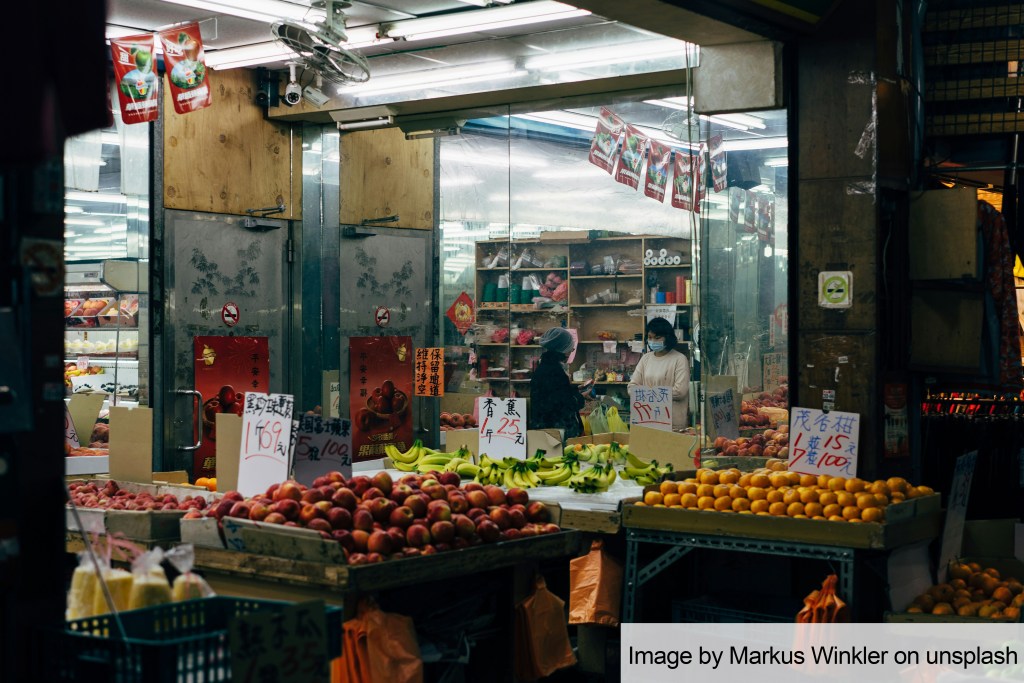
Across the board, food, household supplies, domestic help, recreation, transport, and education become more expensive. Food prices soared in response to labor shortages, logistical challenges, and rising commodity prices brought about by pandemic-related disruptions. The price hike was more significant for imported food items, especially with the weakening of local currencies. For example, in Kuala Lumpur, the depreciation of the Malaysian ringgit increased the cost of imported food like apples and onions. Tokyo experienced the greatest hike in household supplies and domestic help prices. Higher wage demands in response to higher inflation increased rates for labor-intensive services like babysitting and household cleaning.
Against this backdrop, along with pandemic-induced behavioral changes like remote work, consumption patterns changed, making a strong case for government intervention to manage sudden price changes, especially those triggered by external economic shocks. Food and energy consumption increased while transport expenditure reduced. To ease household burdens, food and energy prices can be stabilized through diversified imports and increased domestic production, alongside efforts to maintain currency strength. Transport affordability can be improved by expanding public transport networks and reducing vehicle ownership costs.

Despite rising prices across cities, purchasing power indices showed mixed trends. Singapore improved its rankings by 3 places to 9th position in 2023, driven by strong growth in hourly wages. Conversely, Kuala Lumpur dipped in rankings due to wage stagnation, while Hong Kong and Tokyo remained relatively stable. Tokyo’s improved cost of living was neutralized by falling wages, limiting gains in purchasing power. This highlights how wage growth can offset rising costs, underscoring the need for targeted policies like skills upgradation and technological adoption to maintain purchasing power.
In conclusion, ACI’s research shows that post-pandemic supply-chain disruptions and macroeconomic shifts have placed upward pressure on prices across Asia, reshaping purchasing power dynamics in major cities. Singapore’s improved ranking reflects wage growth that exceeded inflation, while peers such as Kuala Lumpur and Tokyo experienced declines amid muted wage growth and local currency depreciation. This divergence suggests that maintaining purchasing power in a high-cost environment depends not only on price stability but also on sustained income growth and prudent exchange rate management—factors that increasingly shape cities’ competitive standing in the region.
Researchers: NG, Wee Yang, XIE, Taojun
 ACI Perspectives